U.S. moves to require five years of social media history from tourists - what brands and creators should prepare for
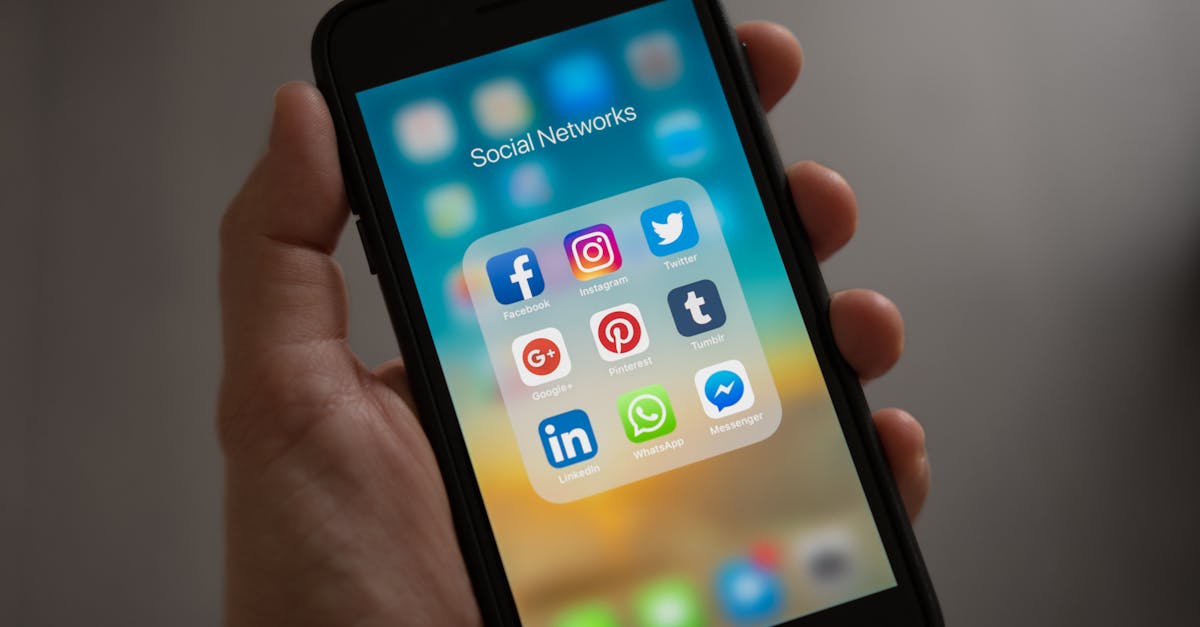
Multiple outlets report the U.S. is advancing a plan to make foreign tourists - including visa‑free visitors - disclose up to five years of social media activity as part of entry screening. Reporting also points to possible selfie capture for identity verification. While final text and timelines will flow through formal rulemaking, the direction is clear: public social footprints are becoming standard inputs for border risk assessments, not just for traditional visa applicants but for short‑stay travelers as well.
What this means for creators and traveling social teams: your public profiles are effectively part of your travel documents. Expect tighter scrutiny of handle histories, aliases, and public posts tied to your legal identity. Practical steps now: align display names and bios with passport names or company entities; keep a simple link-in-bio that connects stage names to your official site; avoid last‑minute handle changes before travel; enable app‑based 2FA (not SMS) to prevent lockouts at ports of entry; and carry clear invite letters, contracts, and itineraries to evidence work purpose. For agencies, build extra buffer into shoot schedules on U.S. soil and consider a light “social footprint audit” for visiting talent to surface inconsistencies that could slow screening - not to sanitize opinions, but to ensure identity continuity.
Worth noting for brands: if visitors lock accounts or prune timelines ahead of travel, expect short‑term reach dips, comment throttling, or delayed collabs. The key takeaway here is operational: treat social identity hygiene as part of travel compliance, akin to insurance and carnets. The bigger picture: government vetting of social profiles is becoming normalized worldwide, which can nudge users toward privacy settings and ephemeral formats. Platforms aren’t changing features here, but they may feel indirect effects - more private accounts, fewer public archives - which matters when planning U.S. activations with international creators. Until the rule is finalized, keep monitoring official DHS/State updates and prepare playbooks so teams aren’t improvising at the airport.