Study estimates 40% of fMRI BOLD signal is physiological noise
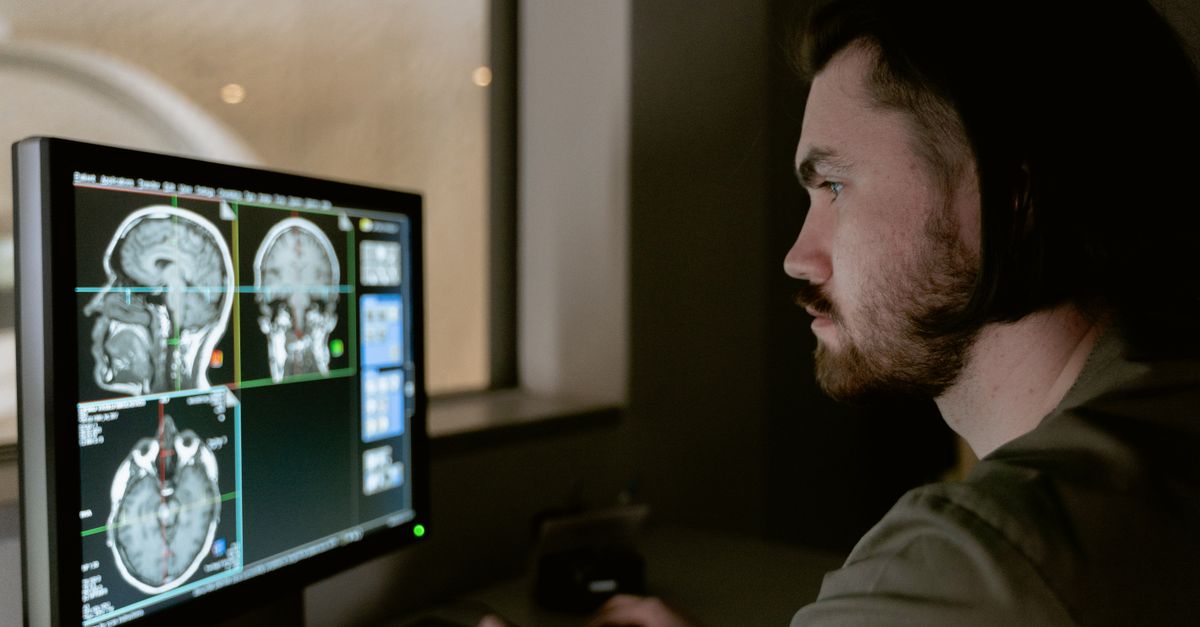
A new analysis estimates that a substantial share of fMRI’s BOLD fluctuations-on the order of 40%-tracks physiology rather than neuronal activity. What’s notable here isn’t that fMRI is “wrong,” but that without rigorous preprocessing, breathing, heartbeat, vascular dynamics, CO2 changes, and micro-movements can dominate the signal. For anyone building pipelines, training models on neuroimaging, or interpreting small effect sizes, this materially shifts the error budget.
Under the hood, BOLD is a hemodynamic proxy, so systemic low‑frequency oscillations and vascular transit times imprint structure that looks neural unless explicitly modeled. Modern tools help: multi-echo acquisitions, concurrent respiratory/cardiac logs (RETROICOR, RVT/HRV regressors), ICA-based denoising (e.g., AROMA), and even global signal strategies when justified. The bigger picture is procedural: many legacy datasets lack physiological recordings, limiting retrospective cleanup, and ML workflows can overfit to these confounds if they’re not addressed at acquisition time. Worth noting: robust task contrasts with large effect sizes are less at risk; the concern is strongest for resting-state metrics, subtle connectivity findings, and biomarker claims near the noise floor. Expect stricter standards-physio monitoring by default, multi-echo when possible, preregistered pipelines, and more replication-before fMRI-derived features are treated as dependable inputs for clinical tools or brain-informed AI.