IPv6 at 30: Everywhere in Practice, Rarely the Default
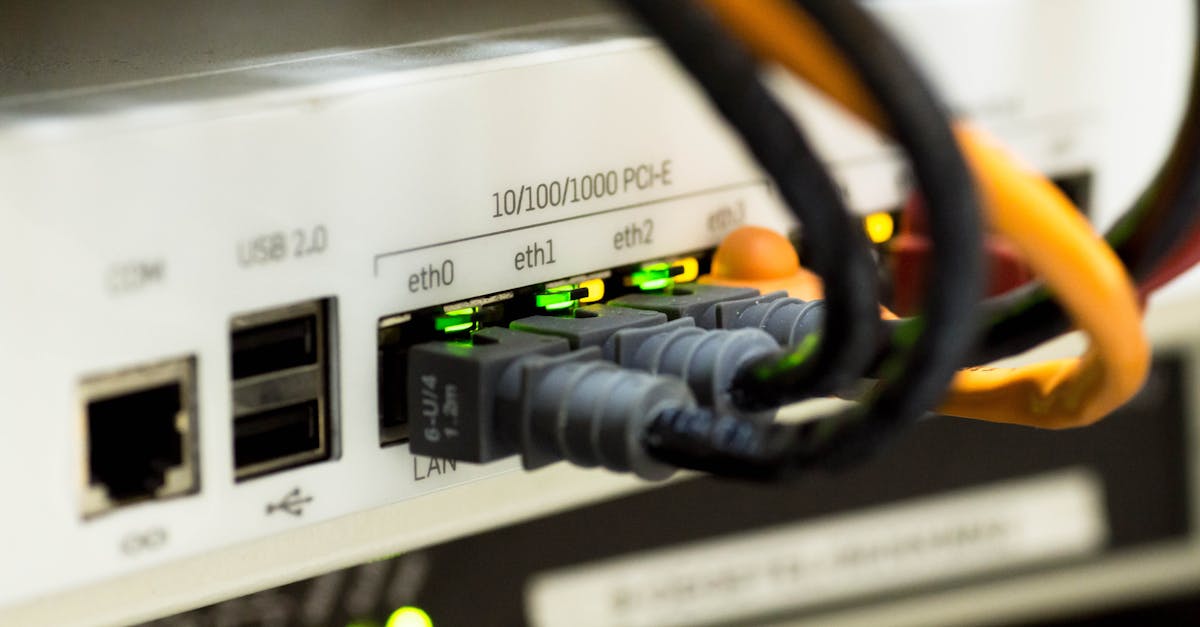
IPv6 is three decades old, operationally mature, and yet still not the world’s default. What’s notable here is not a technical shortcoming but incentives: carrier‑grade NAT stretched IPv4 far longer than anyone guessed, while dual‑stack doubles ops surface area for enterprises that don’t feel acute address pressure. Public telemetry from major CDNs and Google still shows roughly two-fifths of user traffic over IPv6, with mobile networks carrying much of the load and many enterprise and regional ISPs lagging.
Under the hood, the pieces are in place. Large carriers run IPv6‑only with NAT64/464XLAT; clouds offer IPv6‑only VPCs, load balancers, and Kubernetes dual‑stack; Apple has long required IPv6 compatibility; and Happy Eyeballs masks mixed-path hiccups for end users. The bigger picture is that “flag day” replacement was never realistic. Instead, IPv6 is becoming the underlay while IPv4 persists as a service delivered through translation and proxies. Worth noting: operational blockers are mostly human and tooling-address planning, visibility, ACL hygiene, and brittle apps with IPv4 literals or legacy middleboxes-not protocol gaps. The industry implication is clear: expect more IPv6‑only edges and products that treat IPv4 as an add‑on, continued price pressure on scarce IPv4 space, and a slow but steady inversion where running IPv4‑first becomes the exception rather than the norm.