Inside China’s AI-chip sprint: DUV, packaging, and a parallel compute stack
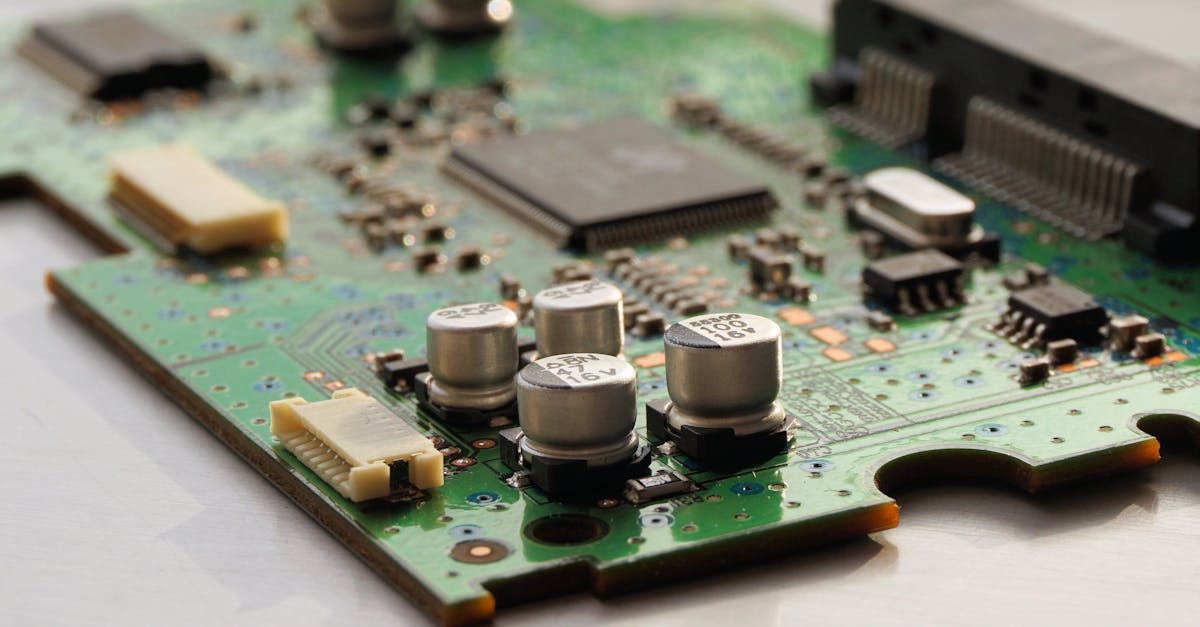
China’s campaign to field homegrown AI accelerators has become a tightly coordinated, end-to-end buildout-less about a single miracle chip, more about aligning foundry, packaging, EDA, and software into a self-sufficient stack. Under the hood, SMIC has demonstrated 7 nm–class processes using deep-UV multi-patterning, while domestic players like Huawei (Ascend 910B), Cambricon, and Biren push training- and inference-class parts paired with homegrown toolchains (CANN, MindSpore, PaddlePaddle). What’s notable here is the emphasis on bandwidth and system integration: advanced 2.5D/FO packaging from local OSATs, chiplet-friendly designs, and proprietary interconnects to keep large models fed despite export controls on top-end GPUs and EUV. Worth noting: HBM remains a hard bottleneck-China is racing to expand memory and packaging capacity, but HBM3-class supply is still dominated offshore.
The bigger picture is a deliberate fork in the AI compute ecosystem. Instead of chasing Nvidia one-to-one, China is optimizing for “good-enough at scale” within its own supply chain constraints. That means tighter hardware–software co-design, aggressive low-precision math, and state-backed demand to amortize NRE across entire clouds. Industry implications: a more resilient domestic pipeline for China, pressure on Western vendors shut out of a major market, and a growing portability tax for developers as frameworks juggle divergent backends and interconnects. This isn’t parity-but it is a credible, systems-first path to sustain large-scale AI training without importing the usual suspects.