GeoSpy claims sub-minute vehicle photo geolocation-why that’s technically notable
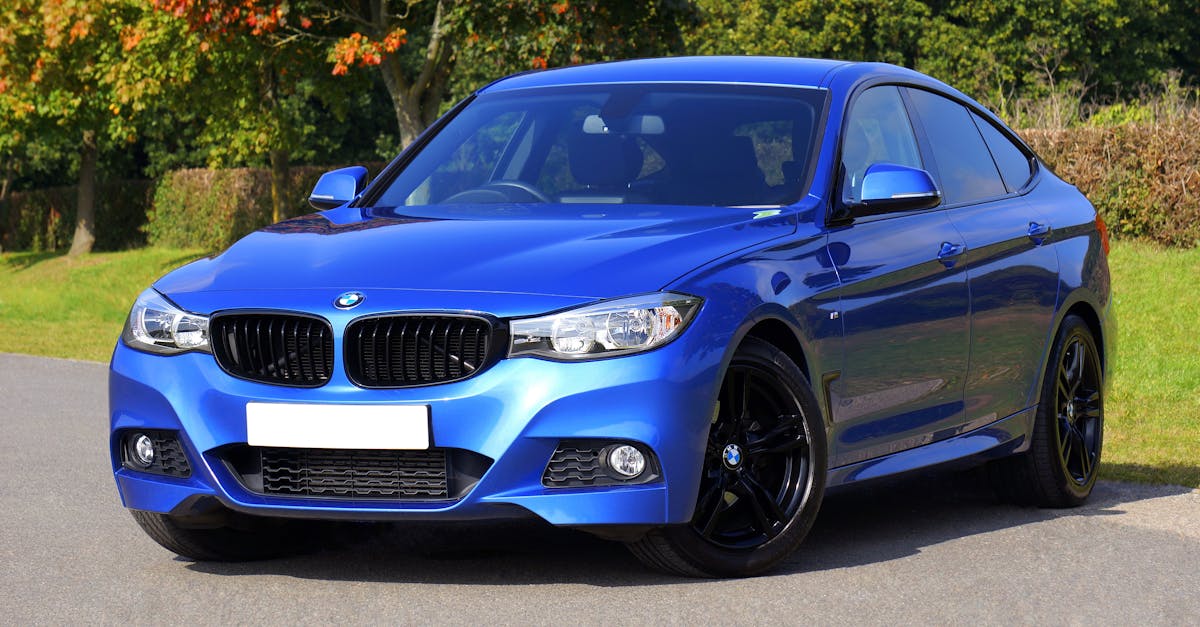
GeoSpy’s pitch is straightforward: take a photo of a vehicle, get a likely location in about 30 seconds. What’s notable here isn’t the premise-visual geolocation has been an active space for years-but the latency and packaging. Sub-minute answers imply a well-tuned pipeline for candidate narrowing and retrieval at scale. Under the hood, systems in this class typically combine visual place recognition with vector search across massive street-level image indexes, layering in contextual signals like road markings, signage silhouettes, storefront layouts, and skyline contours. Hitting 30 seconds suggests tight GPU inference, precomputed embeddings, and pragmatic heuristics to avoid brute-force scans.
The bigger picture is that this compresses what used to be an OSINT slog into a near real-time capability. That has obvious utility for verification, fraud detection, and fleet operations-and equally obvious privacy and governance implications. Worth noting: performance is bounded by coverage and recency of reference imagery, regional uniformity (suburbs are harder than landmark-rich cores), and the robustness of the model to seasonal or construction changes. It’s also sensitive to metadata availability; many platforms strip EXIF, forcing pure visual inference. If GeoSpy’s claims hold at scale, it signals further commoditization of visual geolocation: more teams will treat location inference as a building block, not a bespoke craft. The industry implication is a shift from artisanal OSINT to API-grade geointelligence-with accuracy, safeguards, and auditability becoming the real differentiators.