‘Bluetooth Headphone Jacking’ Demo Pokes Holes in Proximity-Based Phone Unlocks
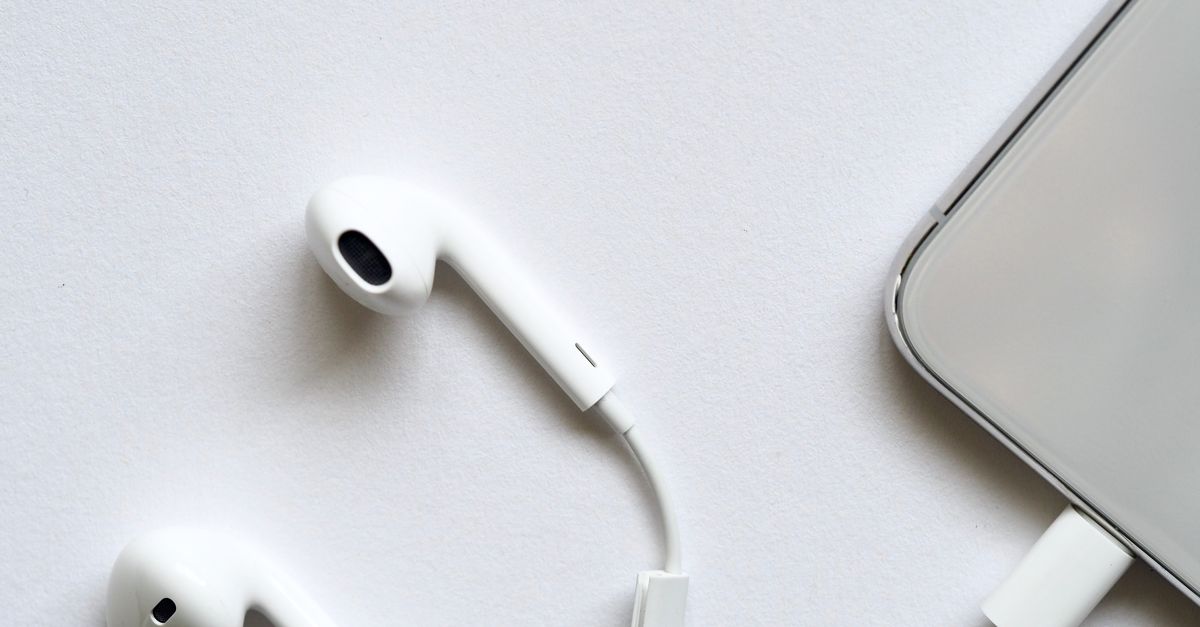
A new video titled “Bluetooth Headphone Jacking: A Key to Your Phone” demonstrates how a simple Bluetooth accessory can effectively function as a de facto key to a smartphone. What’s notable here isn’t a flashy kernel exploit, but the quiet abuse of convenience features that treat nearby Bluetooth gear as a trust signal-think “stay unlocked when connected,” auto-pairing flows, or assistant triggers. The result: radio presence ends up standing in for real authentication, with predictable consequences.
Under the hood, this hinges on how phones evaluate “trusted” Bluetooth presence and how easily that presence can be mimicked. If a device’s unlock logic leans on identifiers that can be emulated (e.g., public addresses, profile characteristics) rather than a cryptographically bound session to specific hardware, an attacker imitating a known headset can tip the trust scales. The bigger picture: proximity-based auth without strong attestation or distance-bounding remains brittle. Vendors should bind “keep unlocked” to hardware-backed keys and adopt rotating identifiers and modern pairing (e.g., passkeys) or UWB for distance checks. Worth noting: this looks less like a Bluetooth zero-day and more like a design/UX gap-exploitability varies by platform settings and user choices. Practical mitigations are straightforward: disable “unlock when connected to Bluetooth devices,” prune old pairings, and require biometrics or a PIN on wake.