Benchmarking Gemini 3 Pro vs 2.5 Pro on Pokémon Crystal: Where Model Upgrades Actually Matter
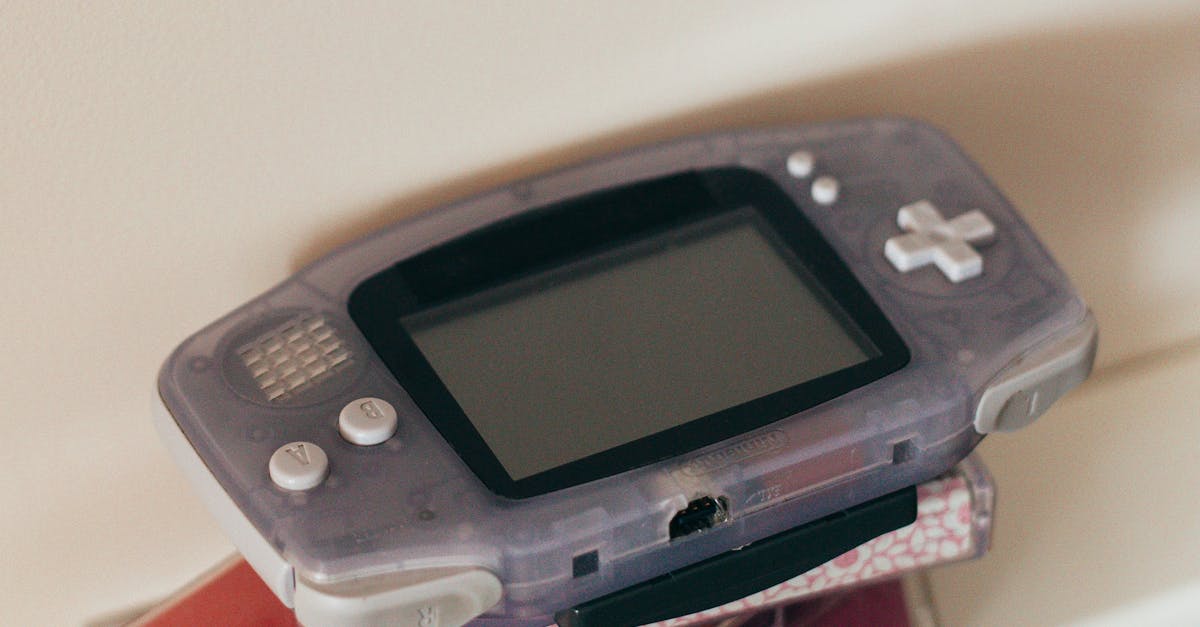
Developers are pitting newer “Pro”-tier LLMs against their predecessors inside a Game Boy emulator, and Pokémon Crystal is a surprisingly effective yardstick. What’s notable here isn’t raw context length or synthetic benchmarks, but whether the model can sustain low-error, long-horizon control: navigating tile-based maps, parsing sprite UIs, and executing multi-step plans without spiraling after a single bad input. Under the hood, the deltas that matter are tool-call fidelity (consistent, parameter-correct emulator commands), vision grounding on low-res pixels vs. direct RAM reads, and recovery behaviors when the agent goes off-route. If you constrain the agent to pixels only, model quality shows; if you let it read memory structs (party, HP, coordinates), the gap narrows and engineering dominates.
The bigger picture: Crystal is a compact proxy for real-world RPA and UI automation-menus, state machines, and brittle workflows. Worth noting: gains that show up as fewer misclicks, faster badge acquisition, and lower “menu dithering” translate to more dependable action models for desktop automation, test harnesses, and game bots alike. What’s actually new vs. hype, then, is improved grounding and consistent function calling under latency and noise, not flashy “reasoning” claims. If you’re evaluating 3 Pro vs. 2.5 Pro, focus on per-action accuracy, off-policy recovery rate, and end-to-end time-to-goal with identical emulator bindings-those numbers will tell you more than any headline metric.