Are AI coding assistants actually getting worse, or just different?
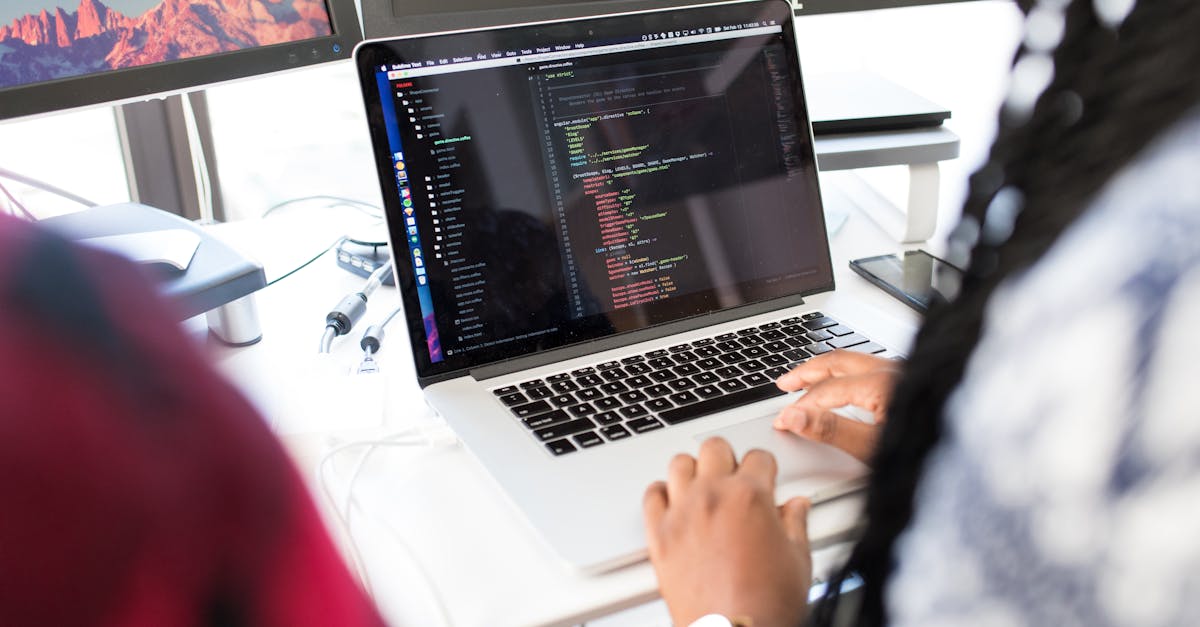
Developers are reporting that code assistants feel less helpful lately. Two things can be true: benchmark scores keep creeping up while the day-to-day experience regresses in subtle ways. Under the hood, vendors frequently rotate models, tweak sampling parameters, tighten guardrails, and trim context windows to balance cost and latency-all without changing the product name. That can mean more boilerplate, fewer risky refactors, or truncated suggestions when servers are busy. What’s notable here is that “model drift” doesn’t require a weaker model; minor changes to prompts, stop-tokens, or timeouts can shift behavior enough to feel worse inside an IDE.
The bigger picture is productization pressure. Providers are optimizing for predictable latency and lower GPU spend, and that pushes systems toward conservative outputs unless they have strong project context. Worth noting: teams that enable repo-aware indexing and pin model/config versions often see steadier quality than those relying on generic chat. Industry-wide, the response is moving from raw model worship to systems thinking-retrieval, evaluations tied to real projects, and versioned configs. If you care about stability, look for assistants that disclose model versions, allow temperature/length controls, and integrate codebase context; measure suggestion acceptance and time-to-fix rather than vibes. What’s actually new isn’t that AI got dumb-it’s that production constraints are finally visible in the editor.