Amid AI Hype, the Future of Software Still Belongs to Developers
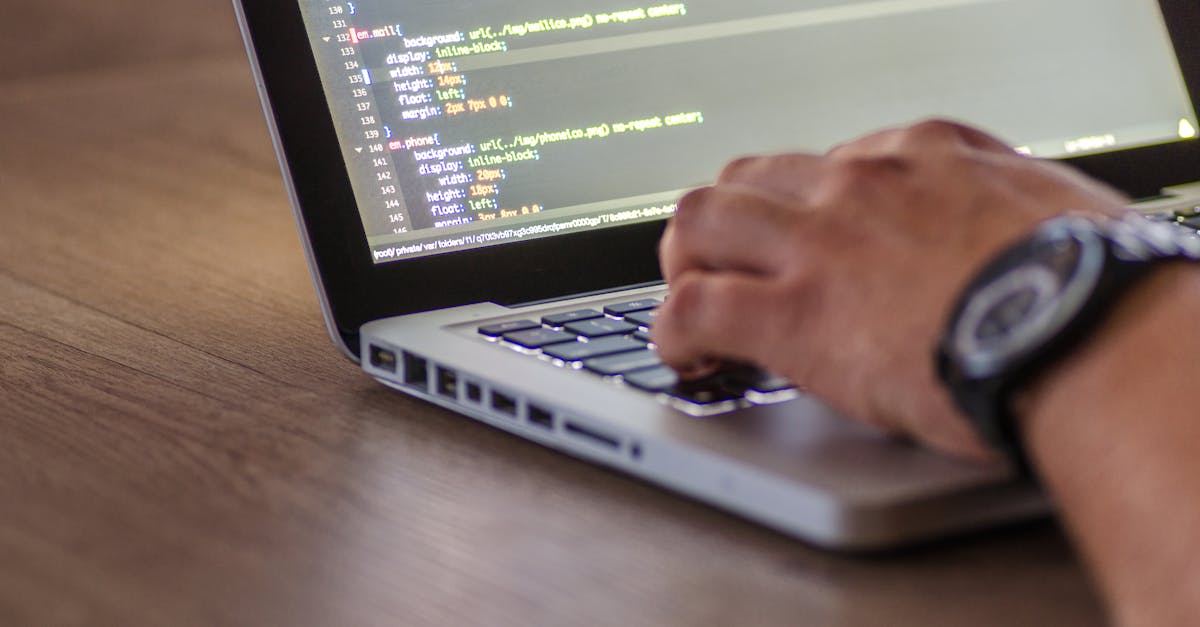
AI can draft code, but developers still design systems, choose trade-offs, and carry the pager. Under the hood, today’s code assistants are powerful probabilistic pattern matchers: great at scaffolding, repetitive boilerplate, and surfacing idioms from large corpora. What’s notable here isn’t replacement-it’s a reshaping of the workflow. Typing shrinks; decomposition, review, and integration expand. The hard parts remain human: translating ambiguous requirements into architecture, reasoning about failure modes and interfaces, and enforcing security, performance, and compliance constraints that no model infers from a prompt alone.
The bigger picture is organizational. Teams that invest in tests, documentation, and clean interfaces see real gains because AI thrives on good context; teams without them just ship the wrong thing faster. Expect demand to tilt toward engineers who can own systems end-to-end-specs, CI/CD, observability, dependency hygiene-and who can turn model output into maintainable code with provenance and guardrails. Worth noting: this also elevates platform engineering and code review from “best practice” to “critical control surface,” as generated code increases blast radius without strong checks. In other words, the leverage is rising, but so is the need for judgment. The future of software development is, still, software developers.